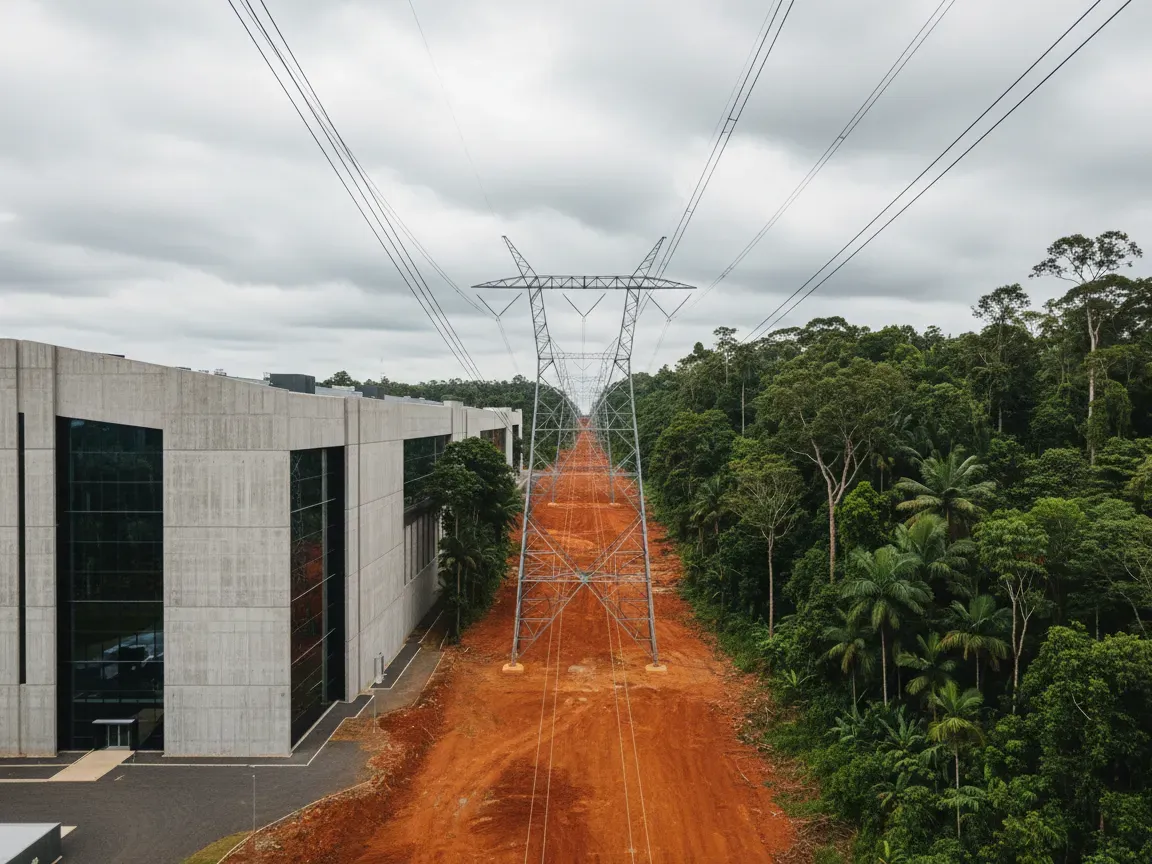
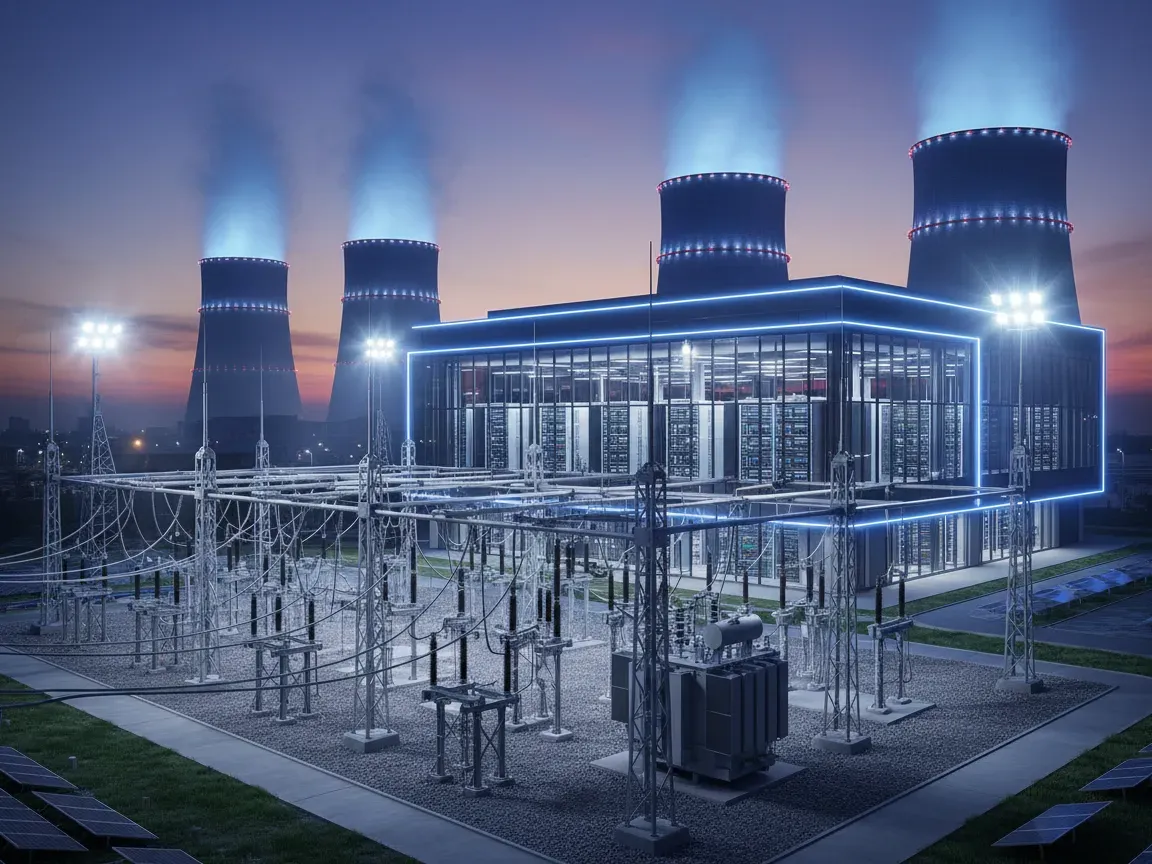
The race to train and run complex artificial intelligence models is reshaping the global tech sector, but its biggest bottleneck is no longer processing power. It is electricity. Major technology companies like Google are facing an unprecedented surge in energy consumption, leading them to write large checks to modernize and expand nuclear power facilities. By backing nuclear energy, tech giants hope to keep their carbon neutral promises intact while running power hungry data centers around the clock.
Why Artificial Intelligence Triggered a Massive Clean Energy Crunch?
Training generative AI models and handling millions of daily prompts demands substantially more electricity than traditional web searches. Server racks packed with high-end graphic processing units run hot and draw steady currents day and night. For years, tech leaders managed their environmental footprint by matching their yearly electricity use with renewable energy certificates.
That accounting method is no longer enough. The actual physical grid must supply instant power the moment a user asks a chatbot a question. As tech firms expand server farms across the United States, utility companies struggle to supply enough clean power quickly. In many regions, the immediate answer to surging energy demand has been delaying coal plant retirements or building new natural gas facilities, which directly clashes with corporate climate targets.
How Google Is Funding Nuclear Power Upgrades?
Rather than simply purchasing credits from existing renewable farms, Google is directly intervening in the nuclear sector through targeted capital investments and long-term contracts.
- Tech capital is financing capacity upgrades at existing nuclear power stations, squeezing extra megawatts out of reactors that are already licensed and operating.
- Companies are signing advanced purchase commitments for small modular reactors, giving early-stage developers the financial certainty required to build next-generation designs.
- Private funding helps cover the expensive safety, hardware, and digital monitoring overhauls needed to extend the operational lifespans of aging plants.
These direct investments allow utilities to modernize older facilities without passing the massive upfront costs straight to residential ratepayers.
Why Wind and Solar Aren’t Enough for Modern Data Centers?
Wind and solar power remain the cheapest forms of new renewable electricity, but they carry a fundamental limitation known as intermittency. The sun sets every evening, and the wind varies from hour to hour. Large battery storage systems can smooth out short fluctuations, but they cannot yet back up a massive data center through days of overcast skies and calm weather.
Nuclear energy provides what engineers call baseload power: continuous, stable electricity that runs at full output more than ninety percent of the time. Because hyperscale data centers cannot shut down when the weather changes, they require zero-carbon power sources that behave like fossil fuels in terms of reliability. Nuclear power plants fulfill that exact technical requirement without releasing greenhouse gases into the atmosphere.
The Environmental Trade-Offs of the New Nuclear Renaissance
Reviving interest in nuclear technology comes with clear ecological debates that eco-conscious observers continue to track closely.
The most prominent issue remains long-term spent fuel management. While the physical volume of nuclear waste is relatively compact compared to the mountains of toxic ash produced by coal, the world still lacks permanent, deep underground repositories in most jurisdictions.
Safety regulations and thermal water discharge into local rivers also draw ongoing scrutiny from environmental organizations. At the same time, supporters point out that nuclear energy requires an exceptionally small land footprint compared to vast utility-scale solar arrays or wind farms, leaving larger natural ecosystems untouched.
What Corporate Nuclear Deals Mean for Everyday Green Living?
When major tech brands sink billions of dollars into upgrading clean infrastructure, the benefits do not stay inside corporate server facilities. Modernized nuclear stations feed clean energy directly into the shared regional transmission grid. This process stabilizes local energy networks, protects clean baseload capacity, and reduces the likelihood that utility operators will burn extra gas during peak hours.
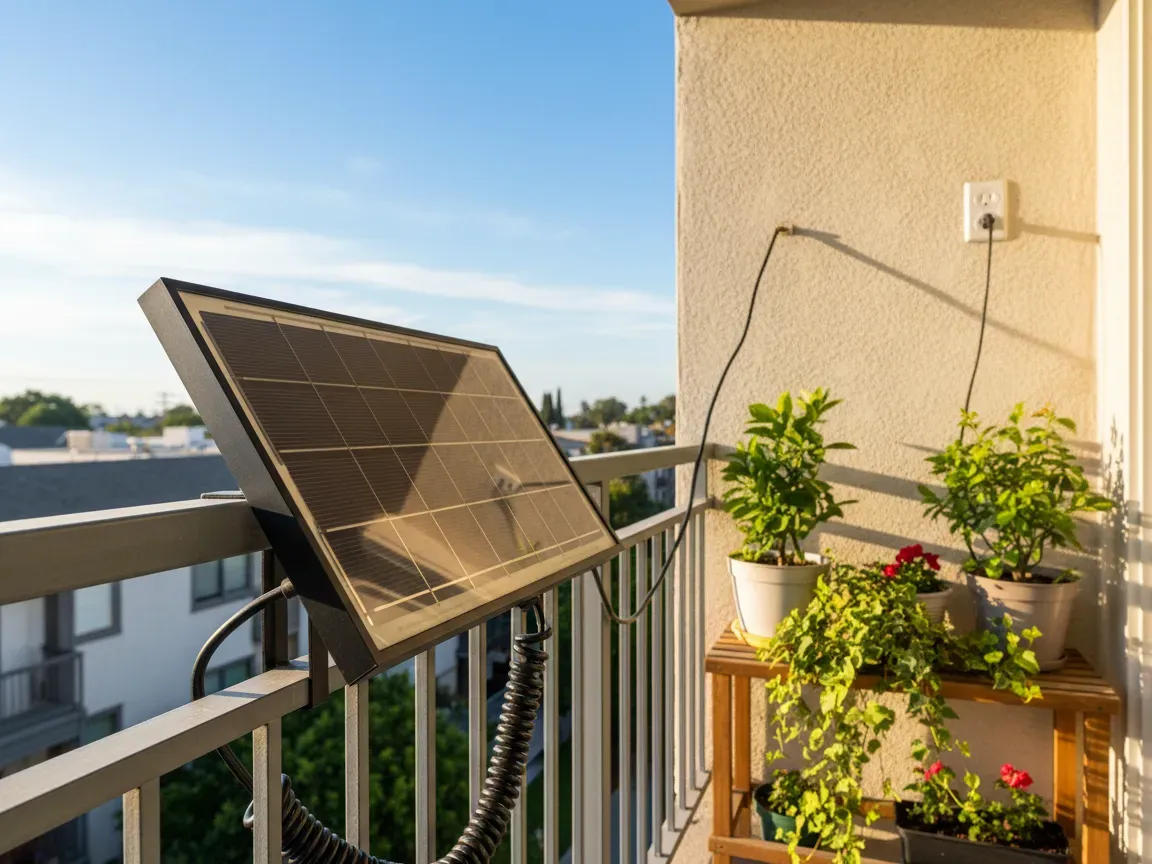
For consumers striving to live more sustainably, this transition highlights a practical evolution in how society views green living. True decarbonization is moving past the symbolic purchase of carbon offsets and shifting toward heavy structural investments in reliable, zero-emission engineering.
How Grid Modernization Shapes Our Sustainable Future?
Corporate backing for nuclear upgrades proves that real-world climate solutions require a mixed energy strategy rather than relying on a single clean technology. Intermittent renewables like solar and wind will continue to expand rapidly, but pairing them with reliable nuclear power ensures the electric grid stays clean even when demand spikes at midnight.
As corporate capital speeds up the regulatory and commercial development of next-generation reactors, the entire power system gains stability. Everyday households benefit from cleaner air, fewer fossil fuel peaker plants in their neighborhoods, and a sturdier electrical backbone capable of supporting both personal electric vehicles and the digital services we use every day.